Zanzibar Holidays 2026/2027


Our Zanzibar Holiday Guide 2026/2027
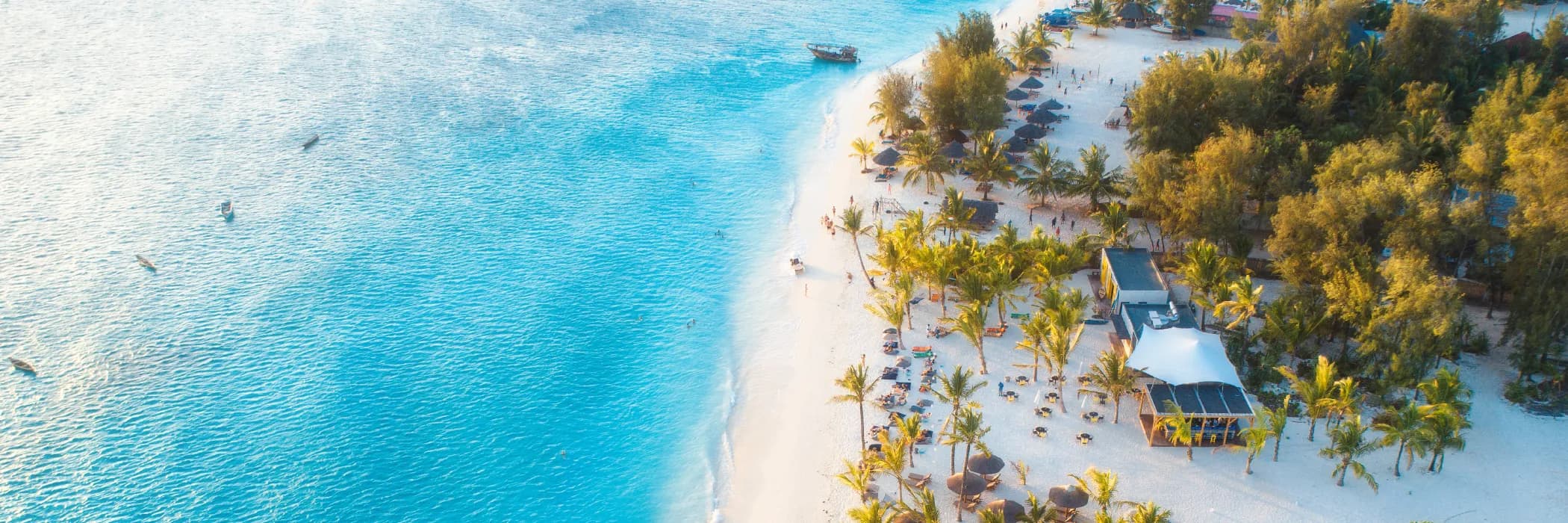
There is a reason Zanzibar keeps appearing on bucket lists. The white sand beaches are genuinely some of the finest in the world, the Indian Ocean water shifts through colours that feel too vivid to be real, and the island carries a cultural depth, Swahili, Arabic, Persian, Portuguese, Indian, that most beach destinations simply cannot match. Zanzibar is the kind of place that surprises even well-travelled holidaymakers who thought they knew what a tropical island break looked like.
Sitting off the coast of Tanzania in the Indian Ocean, Zanzibar is technically an archipelago, with the main island of Unguja (known universally as Zanzibar) being home to the majority of hotels, beaches and the extraordinary UNESCO-listed Stone Town. It is within reach year-round from the UK, combining naturally with a Tanzanian safari for one of the great twin-centre holidays on earth, or standing entirely on its own merits as a luxury long-haul beach escape.
Hotels In Zanzibar You Don't Want To Miss
Popular Areas In Zanzibar
Nungwi and Kendwa — The North Coast
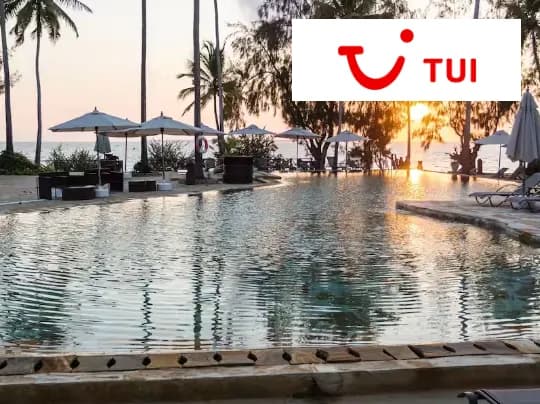
The north coast is the most established part of the island for UK beach holidaymakers and it is easy to see why. Nungwi has a long, wide stretch of pale sand that does not disappear at high tide — a genuine advantage in Zanzibar where many beaches are tidal. Kendwa, just a short walk west of Nungwi, is quieter and known for its famous full-moon beach parties. The water on the north coast is calm and clear, and the beach faces west giving spectacular sunsets. Most of the island's better-known hotels are concentrated around this area.
Matemwe — The North-East Coast
Matemwe is the quieter, more exclusive alternative to the north coast bustle. The beach is narrow and tidal at low water but the setting is extraordinary: long, empty stretches of sand, traditional fishing dhows on the horizon, and the legendary Mnemba Island just a five-minute boat ride offshore. Mnemba's reef is considered one of the finest dive and snorkel sites in the western Indian Ocean. The Mora Zanzibar sits on Muyuni Beach in Matemwe, making it the ideal base for anyone who wants luxury without the crowds and direct access to world-class diving.
Paje and Jambiani — The East Coast
The east coast has a completely different character. The beaches here are long, flat and backed by casuarina trees, and the consistent trade winds make Paje the kitesurfing capital of east Africa. At low tide the lagoon is shallow for a considerable distance, which makes it less ideal for swimming but extraordinary for walking and exploring. The villages of Paje and Jambiani feel genuinely Zanzibari rather than tourist-facing, and the local seafood restaurants along the coast are among the best-value meals on the island.
Stone Town
Stone Town is not a beach at all but it is unmissable. The UNESCO World Heritage Site is the old quarter of Zanzibar City, a labyrinthine collection of narrow alleyways, carved wooden doors, mosques, churches, former palaces and the remnants of the island's extraordinary and complicated history. It is where the Silk Road, the spice trade, the slave trade and the colonial era all left their marks on a single square kilometre of architecture and culture. An afternoon getting properly lost in Stone Town, ending with fresh grilled seafood at the Forodhani Night Market on the waterfront, is the Zanzibar experience that most visitors remember longest.
Where To Stay
Zanzibar has accommodation at every level, from simple beach guesthouses in the east coast villages to some of the most architecturally distinctive luxury resorts in the Indian Ocean. For UK travellers booking through a major tour operator, the north coast and north-east coast offer the strongest combination of beach quality, hotel choice and practical logistics.
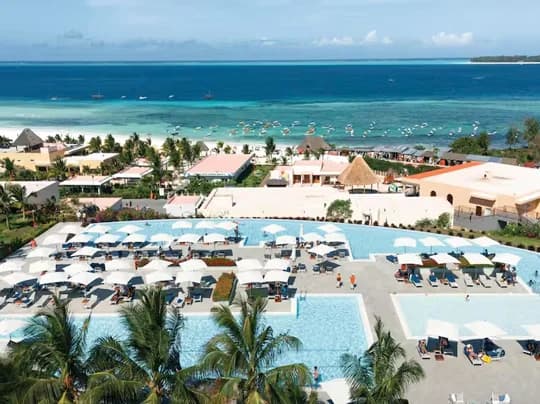
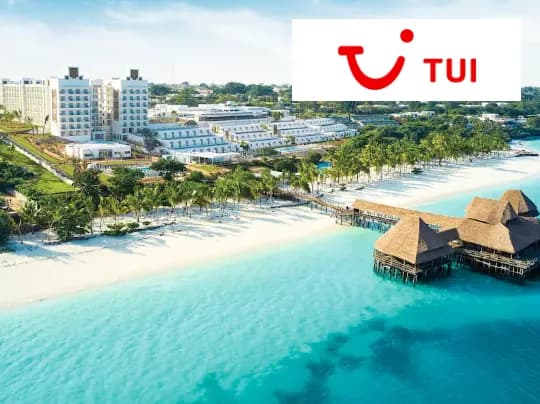
The Mora Zanzibar on Muyuni Beach in Matemwe is TUI's flagship luxury brand on the island, a five-star, all-inclusive resort on one of the quieter stretches of the north-east coast, with direct access to Mnemba Atoll and outstanding reviews across all aspects of the stay. It is the premium choice for those wanting genuine luxury, a consistently strong food offering across multiple restaurants, and a sense of calm rather than the north coast's more resort-feel atmosphere.
Frequently Asked Questions
With a connection, typically between 11 and 14 hours depending on routing. The most efficient connections are via Nairobi (Kenya Airways), Addis Ababa (Ethiopian Airlines), Doha (Qatar Airways) or Dubai (Emirates). There are no direct flights from the UK to Zanzibar on a year-round basis.
Zanzibar is considered safe for tourists and receives hundreds of thousands of international visitors each year without significant incident. Standard travel precautions apply as they would for any tropical destination. Check the FCDO travel advice at gov.uk/foreign-travel-advice/tanzania before booking for the latest information.
This depends on what you are looking for. Nungwi on the north coast is the widest, most consistently sandy beach and does not disappear at high tide. Kendwa, just west of Nungwi, is quieter and has a wonderful sunset aspect. Matemwe on the north-east coast is more exclusive and remote, with direct access to Mnemba Atoll. The east coast beaches at Paje and Jambiani are long and flat with a very different character, ideal for kitesurfing but more tidal.
UK citizens require a visa for Tanzania, which includes Zanzibar. A standard tourist visa can be obtained on arrival or in advance through the Tanzanian e-visa portal. Check the FCDO website for the latest requirements before travel.
The Tanzanian Shilling (TZS) is the official currency. US Dollars are widely accepted at hotels and tourist businesses. Major credit cards are accepted at most hotels and larger restaurants. Cash in local shilling is useful for markets and smaller local restaurants.
Yes, and it is one of the best combination holidays available from the UK. The standard approach is to fly into Kilimanjaro or Dar es Salaam for the safari portion (typically five to seven nights) and then take a short domestic flight to Zanzibar for the beach element. Most major long-haul tour operators including TUI can build this as a package.
The dry seasons — December through March, and June through October — offer the most reliable weather for beach holidays. December to March is the peak season with the highest prices. June to October is excellent value with good weather and fewer crowds. April and May are the main rainy season and are best avoided unless significant savings make the weather risk worthwhile.
Stone Town is the old city quarter of Zanzibar City and a UNESCO World Heritage Site. It is one of the best-preserved examples of Swahili coastal trading town architecture in east Africa, with narrow alleyways, carved wooden doors, mosques, former palaces and the Forodhani Night Market. A half-day visit is an essential part of any Zanzibar holiday regardless of which part of the island you are staying in.
Sustainable Tourism
Zanzibar's extraordinary marine environment, coral reefs and natural coastline are fragile ecosystems that depend on responsible tourism to survive. When booking diving or snorkelling excursions, choose operators who are certified by PADI or similar and who follow reef-safe practices. Reef-safe sunscreen is strongly recommended, standard chemical sunscreens cause significant coral damage and many resorts now sell or require the use of mineral-based alternatives.
The island's coral reefs are under pressure from warming Indian Ocean temperatures, overfishing and coastal development. Hotels and resorts with genuine sustainability programmes — including The Mora Zanzibar, which holds sustainability certifications and engages with local communities in Matemwe, are worth supporting. With TUI, the Green and Fair hotel certification indicates properties with independently verified environmental and social standards.